
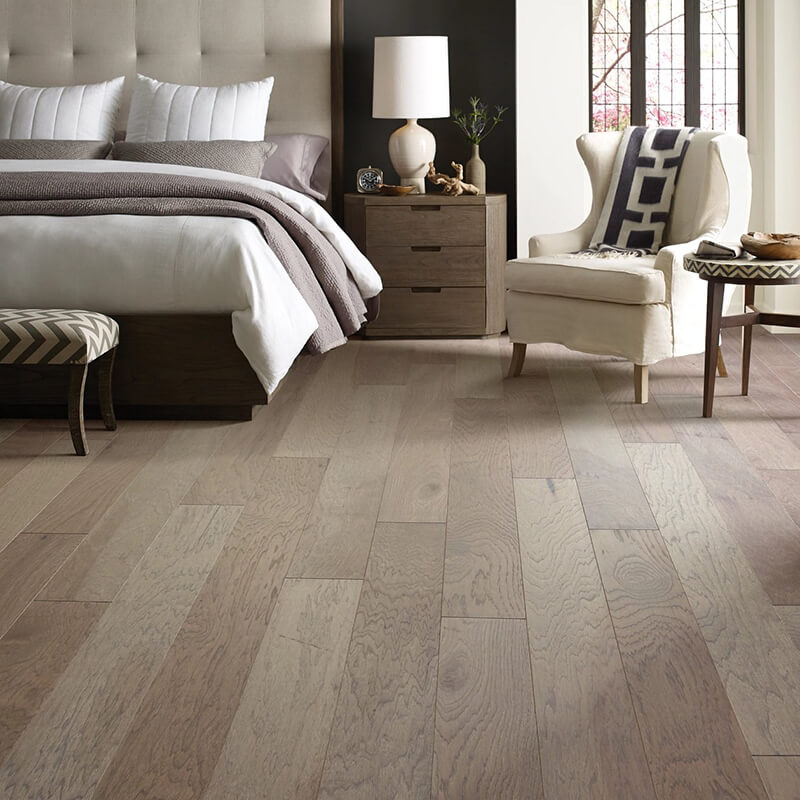
A lot of homeowners in Lincoln notice the same thing once the furnace has been running for a few weeks: small gaps start showing between boards that looked perfectly tight in October. That change can feel alarming, but in many cases it is a normal response to winter air. Wood is a natural material, and Nebraska’s cold season pulls moisture out of it fast.
The first thing to know is that dry air affects hardwood from the inside out. As indoor humidity drops, boards can shrink slightly across their width. That is why winter gaps often appear even when the floor was installed correctly. If the planks expand again in spring, the movement was likely seasonal rather than a sign of failure. It helps to start with stable materials designed for real-life conditions, and you can compare species and finishes in our hardwood flooring selection before making long-term care decisions.
Keep humidity steady, not extreme
The best protection is consistency. Hardwood does not like dramatic swings between very dry and very damp air. In winter, many homes benefit from keeping indoor relative humidity in a moderate range, often around 30 to 50 percent, depending on the house and the floor. A small hygrometer gives you a clear read on what is happening instead of forcing you to guess.
That steady approach matters even more in older homes around Lincoln, where insulation, windows, and HVAC performance can vary from room to room. If one area stays much drier than the rest, movement may show up there first. The goal is balance, not adding as much moisture as possible. Over-humidifying can create a different set of problems, including cupping when boards absorb too much water.
Clean gently and protect the finish
Winter care is not only about humidity. Snow, grit, and salt tracked in from driveways can wear down the surface long before the season ends. Use walk-off mats at entries, sweep often with a soft broom or microfiber dust mop, and wipe up melted slush quickly. The less abrasive material that sits on the finish, the better that finish can keep protecting the wood below.
Cleaning products matter too. Avoid soaking the floor or using a steam mop, especially during months when the boards are already reacting to dry conditions. A damp—not wet—cleaning method is usually the safer call. If you are planning a larger refresh and want the same team to coordinate flooring with nearby built-ins or a kitchen update, our cabinet design options can help you think through the whole room instead of treating each surface separately.
Watch for signs that need more than routine care
A few narrow gaps in winter are common. Deep cracks, splintering edges, loose boards, or a finish that looks hazy and worn are different. Those signs can point to a moisture imbalance, installation issue, or an aging surface that needs professional attention. Homeowners in Walton and nearby acreage properties often deal with extra dust and tracked-in debris, which can make wear show up faster.
If you are not sure whether what you are seeing is seasonal or structural, it helps to understand what professional evaluation and installation support actually include. We outline that process in our flooring and remodeling services, from project planning to the final walkthrough. Because we handle both product selection and installation under one roof, we can usually spot whether the issue is environmental, material-related, or something else.
Choose the right wood for Nebraska living
Some floors handle seasonal change better than others. Board width, species, construction, and finish all influence how much movement you are likely to notice. In places like Roca and other rural areas where homes may see wider indoor temperature swings, that choice matters even more. A beautiful floor should also fit the way your house lives in January, not just how it looks on a sample board.
If you want help choosing wood that suits your home and your winter conditions, we would be glad to help you compare options and plan the right installation. You can start with a free in-home estimate.