
If you’re remodeling an older house near Walton, it’s easy to underestimate how quickly flooring decisions add up. One room turns into three, then suddenly you’re comparing samples for the whole house and trying to keep style, durability, and cost moving in the same direction. A smart plan starts with priorities, not products. Once you know where to spend and where to simplify, the budget usually gets much easier to manage.
Start With Traffic, Moisture, and Daily Use
The biggest budget mistake we see is choosing one material for every room before thinking about how each space actually works. Entryways, kitchens, and mudrooms deal with tracked-in salt, wet shoes, and Nebraska weather swings. Bedrooms and formal living spaces usually don’t need that same level of protection. That difference matters.
In high-traffic areas, durable surfaces often save money over time because they hold up better and are easier to maintain. Many homeowners begin by comparing luxury vinyl floors for busy main-level spaces, then reserve a warmer or softer surface for quieter rooms. That kind of split keeps the house practical without making every room feel identical.
Build the Plan in Layers, Not All at Once
A whole-home remodel feels less overwhelming when you break it into decisions that affect cost the most: material category, room placement, and installation complexity. Wide-open rooms with simple layouts are usually more straightforward than tight spaces with lots of cuts, transitions, or built-ins. Stairs, floor prep, and subfloor repairs can also move the number more than people expect.
That’s why we encourage homeowners to compare categories early, instead of getting attached to one look before checking the full range of options in our flooring selection. You may find that the visual difference between two materials is smaller than the price difference, especially once you factor in long-term upkeep. A good budget plan is really a decision plan.
Keep the Look Cohesive Without Paying for Premium Material Everywhere
Whole-home flooring works best when there’s visual consistency, but consistency does not mean uniformity. You can repeat tone, plank width, or texture from room to room without installing the same product across the entire house. That approach often helps remodels in Lincoln feel more custom while still protecting the bottom line.
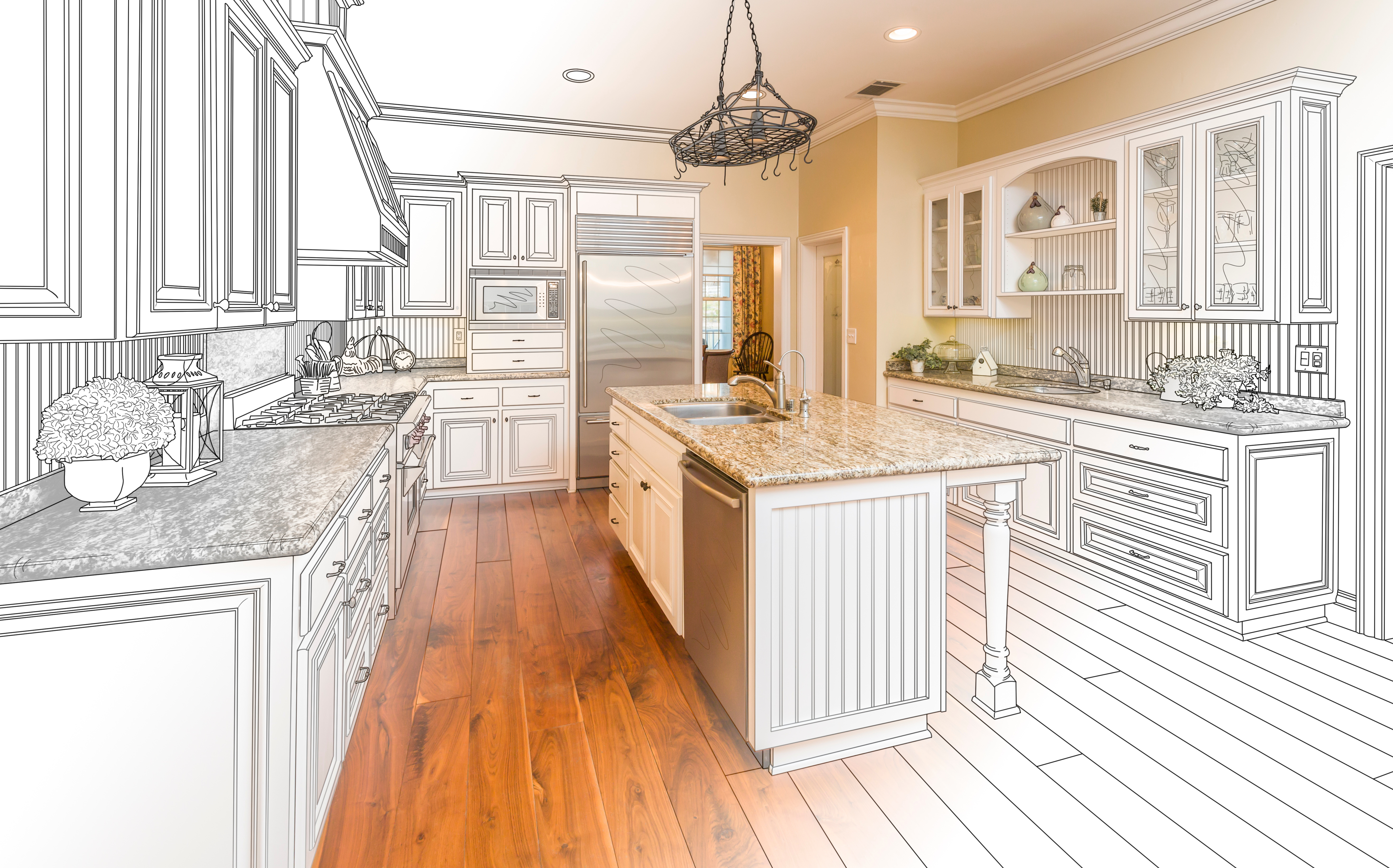
If you’re updating a kitchen at the same time, it helps to think about the floor and storage together. Cabinet color, door style, and room flow all influence which surface feels balanced once everything is installed. Looking at cabinet styles and finishes alongside flooring choices can prevent expensive course corrections later. It is much easier to coordinate both under one roof than to solve them in separate stages.
Leave Room for the Parts You Don’t See in a Sample
Samples are useful, but they don’t show the full project. Floor prep, trim details, transitions between rooms, and installation quality all shape how the finished remodel looks and performs. In Nebraska, seasonal humidity changes also matter. Wood and wood-look products respond differently to dry winters and humid summers, so the right recommendation depends on the room, the subfloor, and the daily wear it will see.
That’s where a professional plan matters as much as the product itself. With our installation services, we help homeowners think through layout, sequencing, and the practical details that keep a remodel on budget instead of chasing fixes after the fact. The cheapest material is not always the least expensive outcome.
A whole-home flooring project should feel organized, not chaotic. If you want help comparing materials, coordinating rooms, and building a realistic remodel plan, you can start with a free project estimate.